June 3, 2026
Jessica August, MSDH, RDH, CDA, FADHA, will take office as ADHA President in July 2026. She joined ADHA’s Advocacy Advisory Committee (AAC) and leadership team for the organization’s Capitol Hill Day on April 16, 2026, its first coordinated member-driven federal advocacy visit in 20 years. We asked her to reflect on the experience and what it means for the profession she is about to lead.
THE CAPITOL HILL DAY EXPERIENCE
Walk us through what the day was actually like. How was the group organized, where did you go, and whom did you meet with?
We kicked off with a group dinner including members of the Advocacy Advisory Committee, ADHA advocacy staff, our lobbyists from Lobbyit, and representatives from our sponsors GoTu and CHPA. It was a great opportunity to connect before a fast-paced day and set the tone for what was ahead. There was a strong sense of purpose in the room and real excitement, since many of us were participating in a federal Capitol Hill Day for the first time.
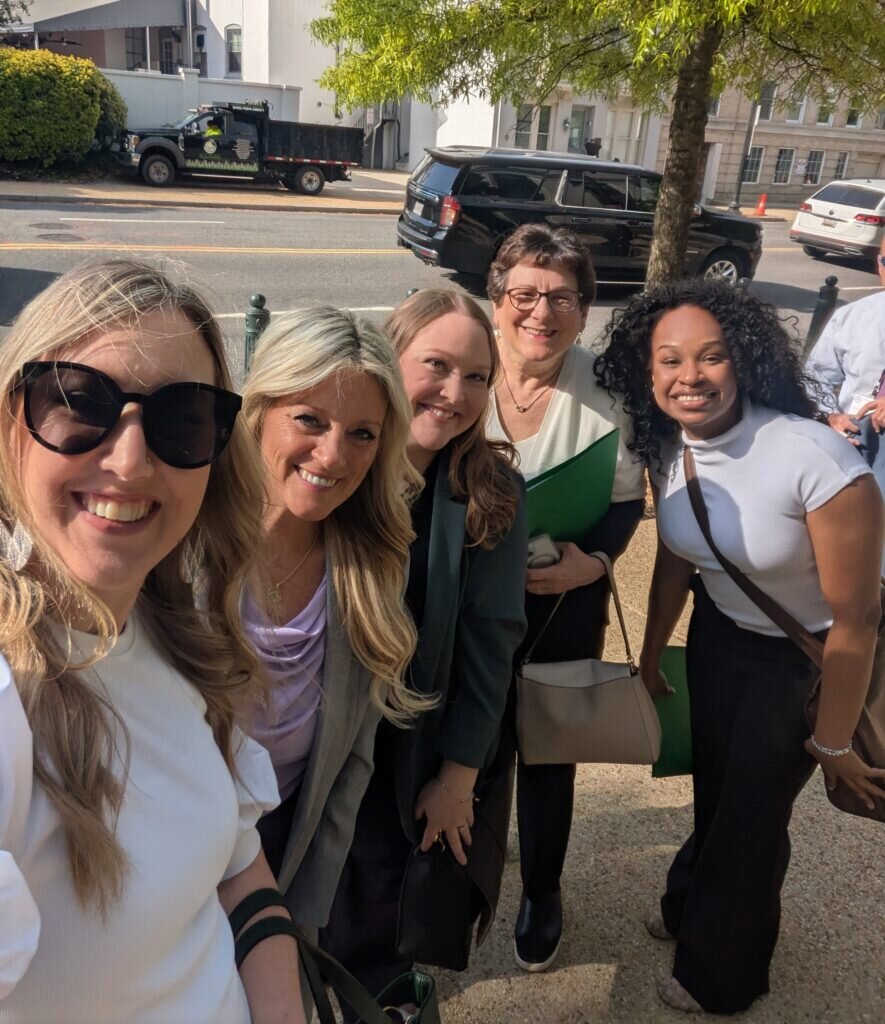
ADHA in DC on Advocacy Day. [L-to-R: Alyssa Aberle, Lancette VanGuilder, Jessica August, JoAnn Gurenlian, Katherine Williamson]
What stood out about ADHA’s first Capitol Hill Day in years? What was the energy like?
The energy was real throughout the entire experience. There was a sense that we were part of something important, not just for ADHA but for the future of our profession and the patients we serve. After years away from coordinated federal advocacy, it was incredibly rewarding to see dental hygienists so well represented on Capitol Hill again.
What made it especially significant was seeing people from different backgrounds and career stages come together around shared priorities. Many members seemed to realize, maybe for the first time, that their voices genuinely matter in these conversations. You could feel that as we connected with Congressional staffers and shared personal stories from practice. Being back in those spaces, representing dental hygienists and the communities we serve, that part hit differently than I expected.
Most people assume you meet with members of Congress themselves. In reality, most meetings are with their staff. What was that like, and was there a moment that shifted how you think about advocacy?
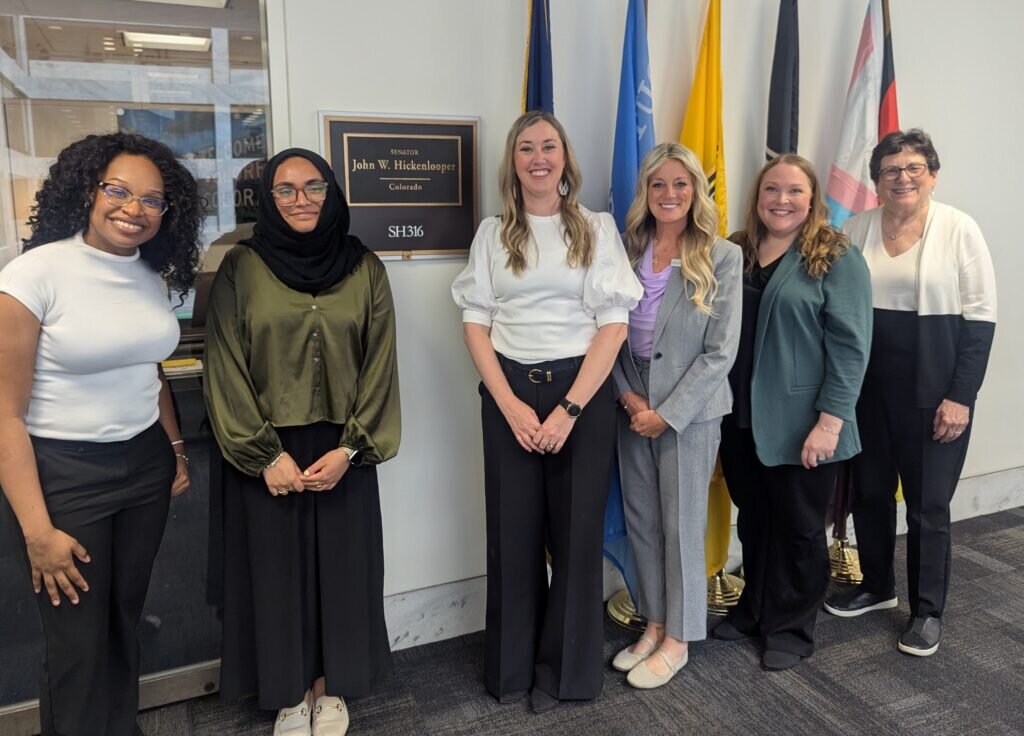
The ADHA delegation outside the office of Sen. John W. Hickenlooper (D-CO) during Capitol Hill Day on April 16, 2026.
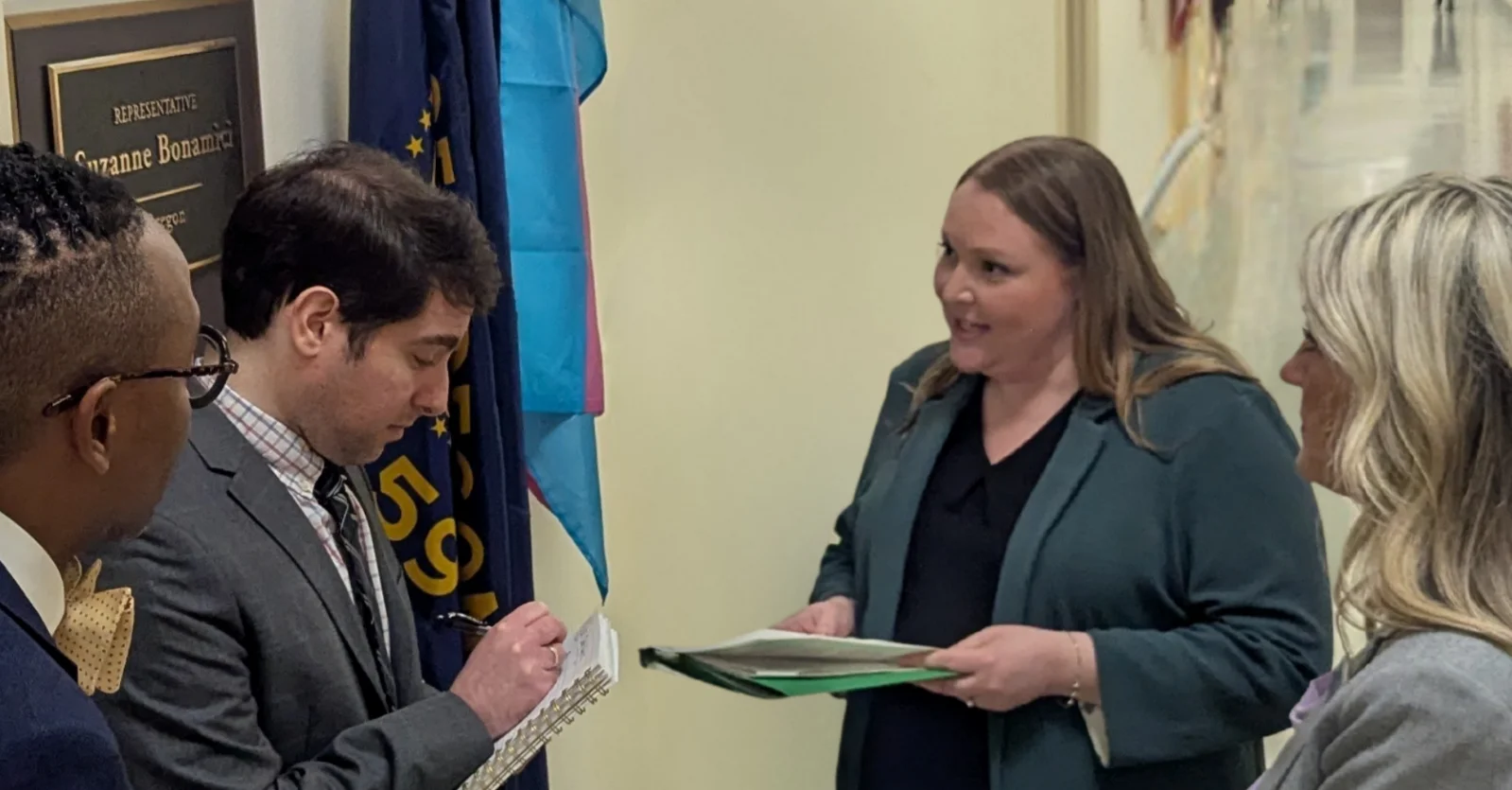
One thing that really stood out was realizing how much of Capitol Hill Day centers on conversations with congressional staff rather than members themselves. Their staff play an incredibly important role in shaping policy discussions and advising elected officials, and that realization reinforced how much relationship-building matters in this work.
One conversation that particularly stuck with me was with a Senior Advisor for Centers for Medicare and Medicaid (CMS). We focused on the need for updated guidance on direct Medicaid reimbursement for dental hygienists, and it led to a scheduled follow-up virtual meeting to explore next steps. That felt like a real, tangible outcome.
My bigger takeaway: advocacy is not about one meeting. It is about consistently showing up, educating policymakers, and becoming a trusted resource over time.
WHAT IT MEANT
What surprised you most about the federal advocacy landscape?
Honestly, what surprised me most was how much consistent visibility matters in Washington. Advocacy is not built through one meeting or one event. Real influence comes from showing up year after year, building credibility, and staying present. I knew that intellectually going in, but experiencing it firsthand made it land differently.
It also reinforced that federal policies directly shape our profession and our patients’ lives, whether we realize it or not. Knowing that ADHA has invested in a lobbyist team to make sure dental hygienists have a voice in those conversations meant a lot to me standing in those offices.
What does it mean that dental hygienists were back in those rooms? What does ADHA’s return to federal advocacy say about where the profession is headed?
ADHA’s return to federal advocacy signals that our profession is done sitting on the sidelines of national conversations that directly affect us. Dental hygienists bring a perspective that is genuinely needed on access to care, workforce challenges, prevention, and public health policy. Returning to Capitol Hill is ADHA saying: we belong in these rooms.
What stood out throughout the day was the confidence in the room. Everyone understood this was not a symbolic visit. We were there to begin rebuilding real relationships and establish ADHA as a resource policymakers can turn to. At the same time, there was honest appreciation for the work still ahead. Advocacy is a long-term investment, and that mindset felt significant because it reflects where our profession is headed.
The Advocacy Advisory Committee brought together retired, student, independent, educator, and traditional working hygienists. What did you witness from this group?
I was genuinely proud watching the Advocacy Advisory Committee, ADHA staff, and our Lobbyit partners throughout the day. Everyone came prepared and committed, and the level of collaboration behind the scenes was impressive.
What struck me most was the diversity of perspectives in the room. Seasoned dental hygienists, students, educators, independent practitioners, clinicians from different states, all at the table together. That diversity strengthened our advocacy because we were speaking authentically from our own experiences rather than delivering a rehearsed script. Congressional staffers noticed that.
TAKEAWAYS
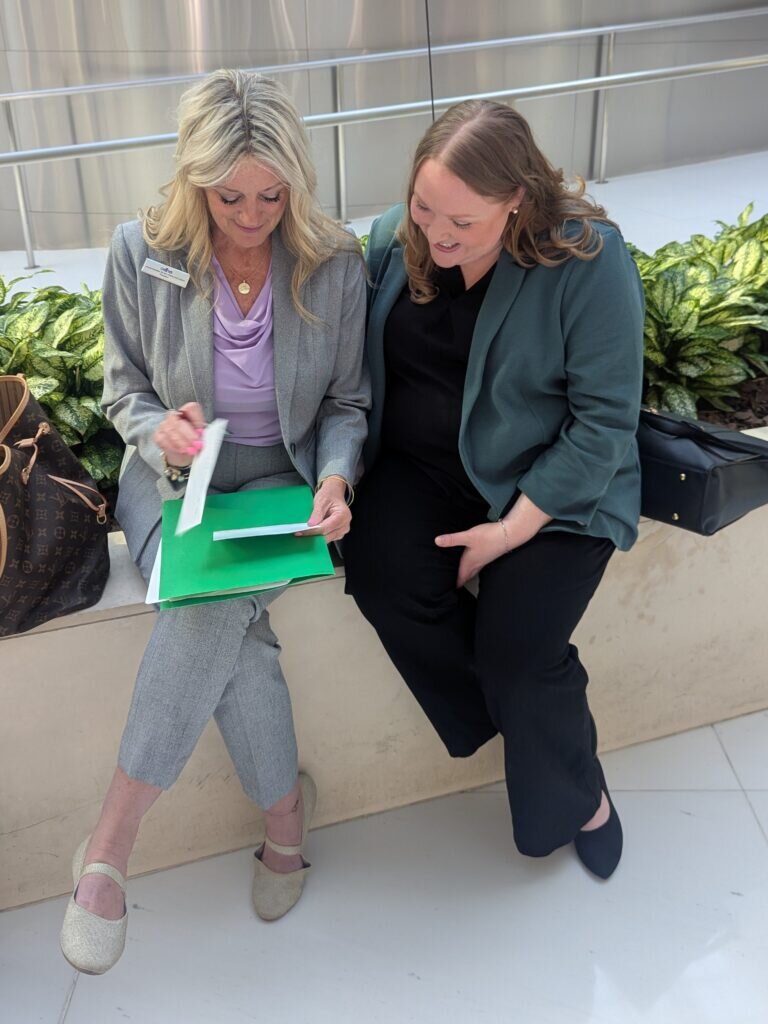
ADHA President Lancette VanGuilder and President Elect Jessica August review notes ahead of congressional meetings.
What is your message to hygienists who prefer to stay out of advocacy, the ones who feel like federal policy does not affect them in the operatory?
Federal advocacy matters because the decisions being made in Washington directly shape our profession and our patients’ lives. Workforce shortages, reimbursement structures, student loan policy, public health funding — all of it affects the environment we practice in and the care our patients can access. Even hygienists who prefer to stay out of advocacy are still living with its outcomes.
You do not have to travel to Capitol Hill to make a difference. Staying informed, supporting ADHA’s advocacy efforts, sharing your experiences when opportunities come up — it all adds up. Policymakers need to hear from people actually delivering care in communities across the country. If we want to shape the future of dental hygiene rather than just react to it, we have to stay engaged.
How do you see this Capitol Hill Day informing where ADHA’s advocacy work goes next?
I see this Capitol Hill Day as a foundation, not a one-time event. We established relationships, shared our priorities, and demonstrated that ADHA is committed to sustained federal engagement. The next step is maintaining that momentum through consistency and follow-through.
As I prepare to step into the role of ADHA President, advocacy will be a central priority. We have a real opportunity to strengthen our influence, elevate the voice of dental hygienists nationally, and continue positioning oral health as an essential part of overall healthcare. When we come together with a unified message, this profession can create real, lasting change.
“What I keep coming back to is how proud I felt watching dental hygienists confidently share their stories and expertise in rooms where healthcare policy is being shaped. Our profession has both the knowledge and the responsibility to lead these conversations. I cannot wait for our next Capitol Hill Day.”
— Jessica August, MSDH, RDH, CDA, FADHA
____________________________________
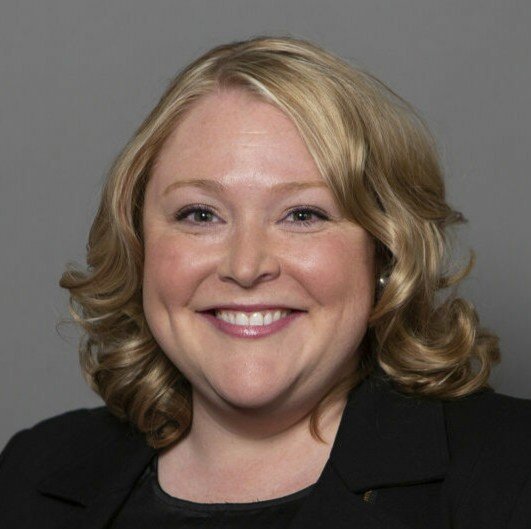 Jessica August, MSDH, RDH, CDA, FADHA, is Assistant Dean of Allied Dental Education Programs at Yakima Valley College and a longtime ADHA member and volunteer with service at the local, state and national levels. She has held faculty and program leadership roles at institutions including North Idaho College, Portland Community College, Idaho State University, and the Forsyth School of Dental Hygiene at MCPHS University. She earned her Master of Science in Dental Hygiene from the University of Bridgeport, Fones School of Dental Hygiene. Jessica becomes ADHA President in July 2026.