By Katherine Williamson, ADHA Senior Manager of Advocacy
October 23, 2026
This week of National Dental Hygiene Month celebrates the Power of Your Voice. In advocacy, that voice is the one thing ADHA cannot substitute for.
It’s been about two years since I joined the Advocacy Division of the American Dental Hygienists’ Association (ADHA). To describe the experience, I’d say it has been insightful and rewarding, as well as an honest representation of what advocacy truly looks like in the policy space. Coming from a congressional office and the consulting world, I had worked on behalf of associations and directly with them, but never within one. As a result, I was unfamiliar with what appears to be one of the association world’s most persistent challenges: member participation.
According to ADHA’s latest Legislative Survey, lack of member engagement (61.1%) surpassed both opposition from state dental associations (53.7%) and lack of public awareness/media engagement (50.0%) as the primary obstacle preventing state associations from advancing their policy goals. We also asked state leaders what additional support they want from ADHA. The most common answer, at 77.1%, was help maintaining volunteer and member engagement.
Many leaders added comments, including: “We do try, but getting practicing RDHs to understand and support our efforts is difficult,” or “We need help. Long-time members are tired, and new members aren’t providing enough support.”
Awareness Must Come First
The first step in addressing member participation is awareness. At ADHA26 in Fort Worth, I spoke with several members about advocacy resources available through ADHA. Some were familiar with resources including the Advocacy in Action Report and BillTrack50, while others were learning about them for the first time. A resource some members know well is brand new to others.
Communication is never a one-time effort. Members engage with the association in different ways and at different stages of their careers, making it important to consistently connect them with available resources and opportunities.
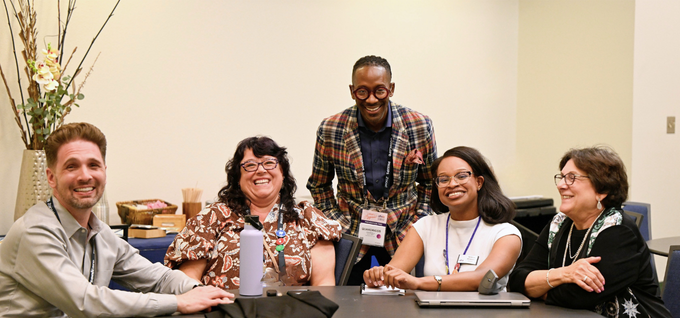
L to R: Derik J. Sven, DHSc, MBA, MPH, RDH, CDT, FADHA, FAADH, ADHA Advocacy Advisory Committee member and past president of the VDHA; Marlene Rhodes, BSDH, RDH, CDA, president of the VDHA; Quardricos B. Driskell, MPS, MTS, LobbyIt; the author Katherine Williamson, MA, ADHA Senior Manager of Advocacy; and JoAnn Gurenlian, RDH, MS, PhD, AAFAAOM, FADHA, ADHA Director of Education, Research & Advocacy, chat after an ADHA26 Informational Advocacy Session
ADHA’s outreach is only half of the equation. Members play a part in staying informed, too, which is why simple actions matter. Read the Advocacy Newsletter and the Advocacy in Action Report. Follow legislative developments in your state. Attend Regional Advocacy Meetings and lobbyist briefings. Stay connected to the policy conversations shaping the future of dental hygiene. The more familiar members are with the issues, priorities, and opportunities being discussed across the profession, the stronger our collective advocacy efforts become.
 Advocacy as a Member Benefit
One concept that deserves greater attention is advocacy as a member benefit. When members think about the value of association membership, they often think about continuing education, conferences, networking opportunities, and professional resources. Those benefits are important and tangible. Advocacy, however, can feel less visible because much of the work happens behind the scenes.
Your membership supports the profession, and your participation multiplies that impact. ADHA advocates on behalf of dental hygienists nationwide, and that work is made possible by the collective strength of our membership. Every legislative hearing attended, coalition meeting held, comment letter submitted, grassroots campaign launched, and bill tracked happens because members stand behind that work.
A good example is a VoterVoice campaign. Legislative offices pay attention when large numbers of constituents contact them about the same issue. VoterVoice makes participation simple by providing pre-written messaging and a streamlined way to reach policymakers. Send a message, and you add your voice to the effort.
Using the Resources Available
I also want to emphasize the importance of using the resources already available through ADHA. Our research library is a prime example. ADHA’s research team works alongside subject matter experts to develop evidence-based publications and white papers that support policy priorities across the country. These resources can strengthen conversations with legislators, regulators, staff, and coalition partners.
For example, the Self-Regulation white paper gives you a starting point for conversations about autonomy and workforce challenges. Resources such as these provide background information and help policymakers better understand both the profession and the oral health needs of the communities they serve.
These publications are evidence-based resources that support the association’s policy priorities. Share them with legislators, regulators, and their staff as you advocate for the issues that matter most to the profession in your state.
Building the Next Generation of Advocates
Several state leaders also emphasized a long-term priority: developing stronger student and emerging leader pipelines. Advocacy works best when new voices are welcomed into the conversation. Many of today’s strongest advocates attended a legislative day, joined a committee, or participated in a grassroots campaign because someone invited them to get involved.
It is important for students and new professionals to understand not only the value of advocacy, but also the value of belonging to a professional association. Early exposure to advocacy helps build confidence, develop leadership skills, and create a deeper understanding of how public policy shapes professional practice.
Mentorship, leadership programs, and advocacy events at the state and national levels all help. Together, they create continuity and prepare the next generation to lead.
A Call to Action
One of our biggest opportunities is to strengthen the connection between members and the important work happening at the local, state, and national levels. Every day, state leaders, volunteers, lobbyists, and ADHA staff are advancing policies, building relationships, producing research, and creating opportunities that support both the profession and the patients we serve.
Staying connected to that work can take many forms. Talk with your state association and its leaders to better understand the issues affecting your state. And when opportunities arise to support national advocacy efforts, lend your voice and perspective to the conversation. Amplify your voice by sending a message through the ADHA Advocacy Action Center.