By Laura Vanderwerf, BSDH, RDH, EPDH, CDA, FADHA
October 16, 2026
I always thought of teaching as something I would do someday. It was a role for the later stages of my career, when my body could no longer keep up with the demands of clinical practice. I saw it as the step after hygiene, not something that could sit alongside it. I loved clinical hygiene, including the pace of patient care, the problem-solving chairside and the sense of purpose that came from improving someone’s health in a tangible way. Teaching was never part of my plan. It was an idea tucked away for retirement.
That changed sooner than I expected. The dynamics among my coworkers had made the dental office where I worked increasingly difficult, and it became clear that staying was no longer the right choice. I had two options. I could find another clinical position and start over, building new relationships with both patients and colleagues. Or I could explore a path I had always considered “later.” Then a teaching opportunity came up.
With that opportunity came doubt. I asked colleagues already working in education for advice. They were encouraging, and I listened, but I quietly wondered whether I could really make the transition. I had never formally taught. My only education coursework was a single online teaching course I took while working toward my bachelor’s degree. Despite years of clinical experience, the role of educator felt unfamiliar and intimidating. I was starting over in a profession I thought I already knew.
The First Term: Learning While Teaching
My first term was a lot to take in. I was hired as a full-time instructor and second-year lead, so I stepped into instructional and leadership responsibilities at once. Preparing for the term meant preparing to teach, which was far more involved than I had imagined. I was given a topic outline, a syllabus template and the list of textbooks the students would use. On paper, it felt manageable. In practice, it was overwhelming.
I had no idea how many hours go into preparing a course before the first day of class. Each lecture meant revisiting what I had once been taught, finding what had changed and deciding what still applied to current practice. Evidence-based guidelines had evolved and terminology had shifted. Expectations for student learning were higher than I remembered from my own time as a student. Relearning the content was only the start. The harder part was turning it into clear instruction for second-year dental hygiene students.
I was also worried I would look unprepared. After years of feeling confident in clinical practice, that was uncomfortable. In the operatory, I knew what I was doing. In the classroom, I was learning as I went. Each lecture felt like a performance and a test at once, and I was trying to look sure of myself for my students while I figured it out.
Finding My Footing
Each week brought adjustments. I kept track of what worked in my lectures and what did not, then refined content, pacing and delivery based on student feedback, both spoken and unspoken. I was also learning to connect with students while keeping clear professional boundaries, which does not come instinctively when you are new to teaching. I leaned on my clinical experience, weaving real-world examples into lectures to make the material relevant.
The classroom was still a place of growth, but the second-year clinic felt different. It was familiar. Expectations were clear, the language was shared and the purpose was immediate. In clinic, I found my confidence again. Students trusted me there, and I could see it in their questions, their willingness to be coached and their openness to feedback. They understood that I had been where they were and that I wanted them to succeed.
Learning to Lead
Beyond teaching, I faced challenges I had not expected as a new instructor and second-year lead. While learning how to teach, I was also learning how to lead. My colleagues had established routines, deep institutional knowledge and long-standing practices, and my arrival required adjustment on all sides.
I listened to how things had been done, what worked, what didn’t and why certain systems existed. I was also responsible for maintaining standards and imagining how the clinic could run more consistently. Balancing respect for experience with the responsibility to guide change took transparency, collaboration and patience. Over time, trust grew through shared goals focused on student success and patient care.
Growth Over Time
I am now in my third year as an educator, and my role keeps evolving. I am no longer the second-year lead. I have moved into another leadership role and still teach didactic courses. Early on, I often heard that “by the third year, it gets easier.” At the time, that felt distant. Now I understand what people meant, and I can say that it does.
I know how to write a syllabus now. I design lecture courses to be engaging and interactive, often using games and activities that encourage participation—an approach shaped by the many teaching methodology courses I have taken. I feel more confident, but I am still learning. I learn from fellow educators, including those who have taught the same courses at other institutions, those who teach different content areas and colleagues who range from highly experienced to just as new as I once was.
Lessons Learned
Moving from clinical practice to dental hygiene education taught me that expertise at the chairside does not automatically bring confidence in the classroom, and that is okay. Teaching is a skill. It has to be learned, practiced and refined over time. Allowing yourself to be a beginner again is part of the process.
Teaching took more preparation than I expected, and it rewards flexibility. It requires constant adjustment and a willingness to revise what does not work. Mentorship and collaboration also mattered more than I expected. Some of my greatest growth has come from listening to colleagues, observing different teaching styles and learning alongside others.
Most of all, I learned that becoming an educator does not mean leaving my clinical identity behind—it means expanding it. My clinical experience still matters, especially when I use it to help students connect theory to practice.
Advice for Clinicians Considering a Transition into Education
- Allow yourself to be new again.
- Expect preparation to take more time than you think.
- Lean on your clinical experience, but don’t rely on it alone.
- Seek mentorship early and often.
- Be flexible and reflective.
- Set clear boundaries while building connection.
- Collaborate with colleagues.
- Remember why you said yes.
Looking Back, Moving Forward
Looking back over the last few years, I sometimes ask myself whether I would make the same choice again. If I had not needed to leave the dental office and the patients I loved, would I have ever stepped into education? I have had chances to return to clinical practice. This past summer, a dentist I deeply respected and had worked with asked me to join his new practice.
But the students are what I keep coming back to. Many of them may not yet realize how much guidance and support surrounds them. I think about colleagues working through the same challenges and the countless hours spent outside of class getting things right. The years I might have spent in clinical hygiene cannot compare to the impact of the students who pass through my courses and, I hope, go on to give many years to our profession. This path was not one I planned, but it has become one of the most meaningful chapters of my professional life.
____________________________________
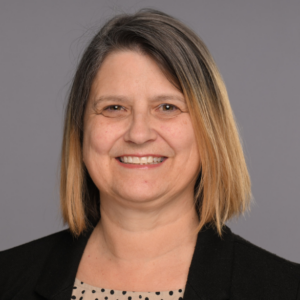 Laura Vanderwerf, BSDH, RDH, EPDH, CDA, FADHA, is Dental Hygiene Department Chair at Portland Community College in Portland, Oregon, with more than 25 years of experience in dentistry as a dental assistant, clinical dental hygienist, educator and leader. She has served as President of the Oregon Dental Hygienists’ Association and on state and national committees, and now serves on the ADHA Board of Directors, where she advocates for the profession and supports leadership development and initiatives such as license portability.