By Amanda Hill, BSDH, RDH, CDIPC
June 15, 2026
I’ll be honest. I didn’t always understand why we had months dedicated to different groups of people.
The first one I remember hearing about was Black History Month. I distinctly remember thinking, “If there’s a Black History Month, why isn’t there a White History Month?” I wasn’t trying to be difficult. I genuinely didn’t understand. Then someone explained that so much Black history had been ignored, glossed over or simply never taught. The point wasn’t to exclude anyone else. It was to recognize people and contributions that had often been left out of the story.
Years later, I had a similar reaction when I first heard the phrase “Black Lives Matter.” My immediate thought was, “What about white lives? Don’t they matter, too?” Again, I wasn’t trying to argue. I was trying to understand.
Then someone explained it to me in a way that finally clicked.
They said, “When people support breast cancer awareness, they’re not saying other cancers don’t matter. They’re simply bringing attention to one that needs awareness, research and support.”
That comparison stopped me in my tracks. Focusing on one thing isn’t the same as dismissing everything else. It’s saying, “Hey, don’t forget about this.” It’s shining a light on something that has been overlooked, misunderstood or ignored.
The same lesson kept showing up. Whether it was Black History Month, Black Lives Matter or Women’s History Month, I eventually learned that recognizing one group’s experiences doesn’t diminish anyone else’s. It simply shines a light on stories and struggles that might otherwise be overlooked.
So, when it came to Pride Month, I initially viewed it through the same lens of confusion.
I grew up in a Christian community and often heard the phrase, “Love the sinner, hate the sin.” Because of that background, I struggled to understand what Pride Month was really about. I thought it was asking me to celebrate something I had been taught to question. For a long time, that’s where my understanding stopped.
Then I realized I might be asking the wrong question.
What finally opened my eyes wasn’t a history lesson, a social movement or a debate. It was my child.
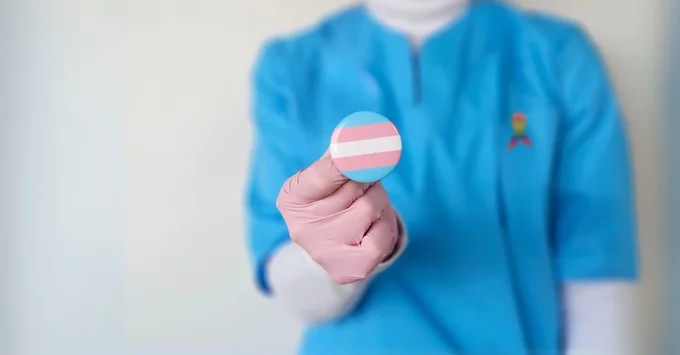
When your child is transgender, these conversations stop being theoretical. They stop being something people argue about online and suddenly become deeply personal. I found myself asking different questions. Not whether I fully understood everything or where I landed politically, but whether my child felt safe, accepted and like they belonged in the world.
As a parent, those questions mattered. As a healthcare provider, they hit even harder. Could my child walk into a dental office, a physician’s office, an emergency room or any healthcare setting and know they would be treated with dignity? Could they be honest about who they are without worrying about judgment? Could they receive care without wondering if they would be viewed as less than?
Once it’s your child, everything changes. My child didn’t change my capacity to love. They expanded my capacity to understand.
I realized Pride Month wasn’t really about asking me to celebrate an identity. It was asking me to recognize the humanity of people I love. It was asking me to understand that there are people who move through the world wondering whether they’ll be accepted, respected or even safe. That’s a reality I had never personally experienced, but it was one I could no longer ignore.
As I learned more, I learned something else. Acceptance has real consequences. Research shows that LGBTQ+ youth who have accepting adults in their lives experience significantly lower rates of suicide attempts and mental health struggles. For some people, simply knowing that one adult, one healthcare provider or one office is a safe place can make an enormous difference.
That’s where this became a healthcare issue for me.
Sometimes I hear clinicians say, “I treat everybody the same.” I understand the sentiment because it’s usually coming from a good place. But the truth is, we don’t actually treat everybody the same.
We don’t communicate with a terrified patient the same way we communicate with a relaxed one. We don’t treat a child the same way we treat an adult. We don’t approach an 85-year-old the same way we approach a 25-year-old. We adjust our care because that’s what good healthcare providers do.
Good healthcare has never been about treating everyone identically. It’s about understanding the person sitting in front of you and giving them what they need to succeed. For some LGBTQ+ patients, what they need most is reassurance that they are safe. Not that everyone agrees with them. Not that everyone shares the same beliefs. Simply that they will be treated with dignity, respect and compassion.
Today, when I see Pride Month, I don’t really think about politics. I think about belonging. I think about patients deciding whether it’s safe to tell the truth on a health history form. I think about young people trying to figure out where they fit in the world. And, if I’m being completely honest, I think about my child.
Maybe that’s what I’ve learned about all of these months and observances over the years. They’re not about elevating one group above another. They’re reminders not to forget people whose stories, contributions or struggles have too often been pushed to the margins.
My understanding of Pride Month didn’t change because someone won an argument or because someone changed my beliefs. It changed because I started seeing real people instead of issues.
And once I did, the question was no longer, “Why do we need Pride Month?” The question became, “What can I do to make sure people feel safe in my care?”
For me, the answer starts with four simple things: learn inclusive language, create a safe space, update intake forms so patients can accurately identify themselves and the people they love, and avoid assumptions and stereotypes.
Will I get it right every time? Probably not.
But every patient deserves to walk through our doors knowing they will be treated with dignity, compassion and respect. That’s a goal worth striving for – not just during Pride Month, but every day of the year.
____________________________________
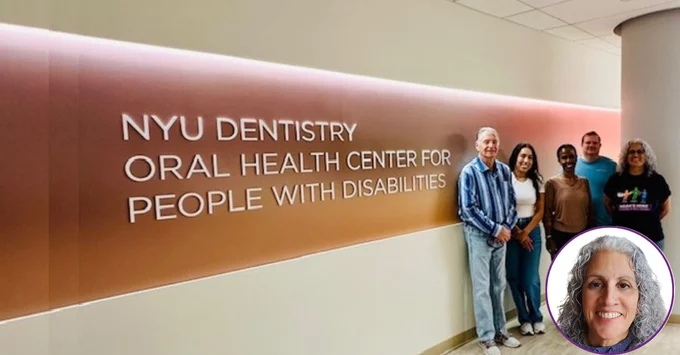
 Amanda Hill, BSDH, RDH, CDIPC, graduated from Old Dominion University in 1996 and has spent more than three decades educating dental professionals and advocating for patient safety. A speaker, consultant and award-winning author, Amanda is known throughout dentistry as the Waterline Warrior. Her work is guided by the belief that some of the most important lessons in healthcare come from listening to patients’ stories and experiences, and that every person deserves dignity, belonging and access to compassionate care.